
.jpg)
Blogs
Letter Bending Machine Price Breakdown: What Affects Cost in B2B Purchases?
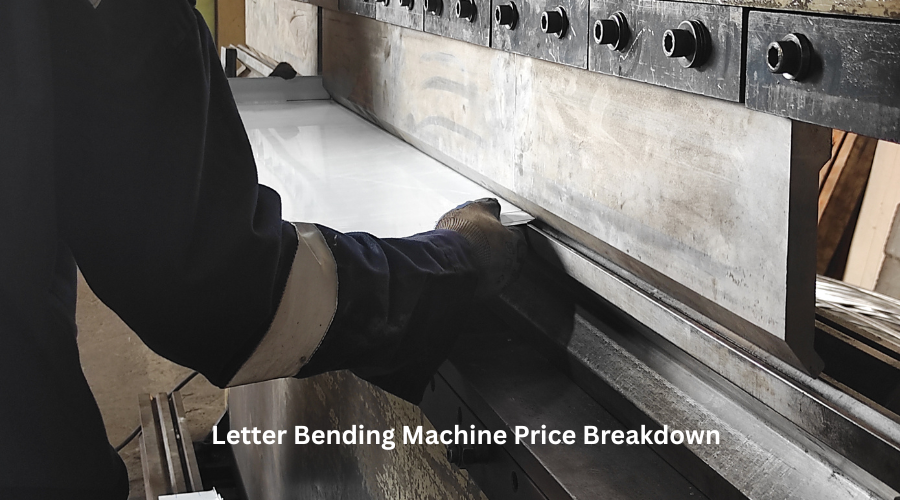
Letter-bending machines are important for sign manufacturing businesses. These special devices exert control on the use of metal letters and channel signs. The price range is vast, from a couple of thousand dollars to more than a hundred thousand.
What makes these prices different is that businesses will then make informed purchasing decisions. This disintegration justifies the variables influencing the cost of letter-bending machines in the business-to-business deal.
Machine Size and Capacity
• Bending Width
The smaller machines that processed letters do not exceed 12 inches and are much cheaper than the bigger machines that addressed 48-inch size. Increased capacity requires heavier frames, more powerful motors, and more complex elements. Most sign shops require flexibility; hence, mid-range sizes are the best value.
• Material Thickness Range
Machines that bend thin aluminum of gauge are less expensive than those that can bend heavy-gauge steel. Materials with greater thickness require stronger bending systems. The need to operate across different thicknesses drives up machine costs.
• Letter Height Capability
High letter needs will be to use more bending arms and more supportive structures. Small letter machines consume less material and have less complicated designs. Business activities usually require the use of machines dealing with various fonts.
Automation Level
• Manual Operation
Simple manual machines have operators positioning and setting up settings per bend. Entry-level units are the least expensive, but they require skilled work and more time. Manual work is suitable for low-volume shops with well-trained personnel.
• Semi-Automatic Features
Semi-automatic models have powered corrections and automatic memory. They save on setup time and on operator skills. The convenience and speed added will warrant a moderate price increment over manual models.
• Fully Automatic Systems
Expensive computerized machines accept design files and bend letters automatically. Computer controls, servo motors, and sensors increase the costs by a larger percentage. These systems are appropriate for large-volume processes, where savings in salaries can be invested in equipment.
Build Quality and Materials
• Frame Construction
Bulky steel frames are more expensive than the less stable ones because they are stable and durable. Fusion framing is better than bolted frames. Frame quality directly impacts bending accuracy and the machine's lifetime.
• Component Quality
High-end machines are supplied with industrial-quality motors, bearings, and hydraulic systems. These have a longer lifespan than lower-end products. Lower maintenance and replacement requirements offset the initial increase in expenses.
• Precision Engineering
Firm manufacturing tolerances guarantee consistent bending results. Specialized machining and control increase production costs. The accuracy premium is particularly beneficial for professional sign manufacturers.
Technology and Features
• Digital Controls
Simple machines use analog gauges, while more sophisticated types feature a digital display and programmable control. Digital systems enhance precision and minimize operator error. Technology upgrades lower costs but would improve productivity.
• Memory Functions
Saving the bend profiles of frequent letters reduces setup time. Machines with ample memory space are more expensive due to the additional electronics required. The aspect is beneficial in repetitive production of standard letter sets.
• Safety Attributes
High-technology safety measures, such as guards, emergency stops, and sensors, guard the operators. Extensive safety measures add costs and help prevent injuries and liability. Sometimes, regulatory compliance requires the use of safety equipment.
Brand and Reputation
• Established Manufacturers
Recognized brands attract better prices as they are reputable and also reliable. It can be that their machines have better support and warranty coverage. Brand recognition offers a sense of confidence, yet adds to initial expenses.
• Lesser-Known Producers
Competitors with emerging or generic brands charge lower prices. These manufacturers have different quality. Reduced prices can conceal downgrades in quality, materials, accuracy, or services.
• Country of Origin
Machine prices are usually higher in nations where labor is expensive than in areas where manufacturing costs are low. Nevertheless, quality and support tend to be associated with price changes.
After-Sales Support
• Warranty Coverage
Extended warranties and extensive coverage add to the costs of the machines. Extended warranties indicate that the manufacturer is sure of the product's durability. Higher prices are justified by the peace of mind and potential savings they offer.
• Training Programs
Additional operator training is value-added and expensive. In-depth training will minimize the learning curve and eliminate operator mistakes. Some manufacturers charge independently, while others set training prices together.
• Technical Support
Real-time technical service during ownership is beneficial. Manufacturers that offer broad support usually cost more upfront. This constant provision helps to avoid expensive downtimes.
Shipping and Installation
• Transportation Costs
The cost of shipping heavy machinery depends on the length and weight of the machine. International shipping adds to the cost of goods, pushing prices higher. Domestic suppliers can offer favorable landed costs rather than higher machine prices.
• Installation Services
Professional installation is performed to ensure proper setup and calibration. Other suppliers offer installation separately, whereas those that do not. The installation cost must be included in the total investment.
• Foundation Requirements
Bigger machines might require more rigorous floor preparation or mounting. The costs to prepare the sites increase the project's cost. The requirements are understood to eliminate budget surprises.
Customization Options
• Special Tooling
Costs increase with the use of custom bending dies to produce unique letter styles. Most applications can be handled with standard tooling. Specialty equipment is applicable in shops that have unique design specifications.
• Modified Configurations
The cost of engineering and manufacturing machines for specific workflows or spaces is extra. Most needs are met at a reasonable price with the standard configurations. Real problems that require additional cost should be addressed through custom modifications.
Volume Discounts
• Multi-Unit Purchases
The purchase of several machines will attract volume discounts. Manufacturers would like larger orders at lower unit prices. Volume pricing works well for sign shops growing into new locations.
• Package Deals
Buying entire production lines, bending machines, and other equipment might save money. Bundling makes procurement easier and sometimes lowers costs. Determine whether all package elements are value-adding.
Market Conditions
• Supply and Demand
The market demand influences pricing. Discounting goes down during times of high demand. It can occur during economic downturns, creating opportunities for negotiation. Timing in a market affects attainable prices.
• Currency Fluctuations
International buying would make buyers vulnerable to exchange risks. Currency adjustments might significantly change the end costs. The contracts of locking exchange rates offer certainty.
• Raw Material Costs
The increase in steel and component prices is passed through to machine costs. Pricing is adjusted to the fluctuations in the input costs. Knowing the cost pattern can help ensure purchases are made on time.
Conclusion
The prices of letter-bending machines reflect many factors beyond manufacturing costs alone. Knowledge of price drivers will enable us to negotiate effectively and select machines that deliver the maximum value to specific business needs and development strategies.